For the full, classroom-ready, visual experience, please send your poster orders here:
orders@davidjarv.is
Congratulations to the World’s Top 25 Education Systems!
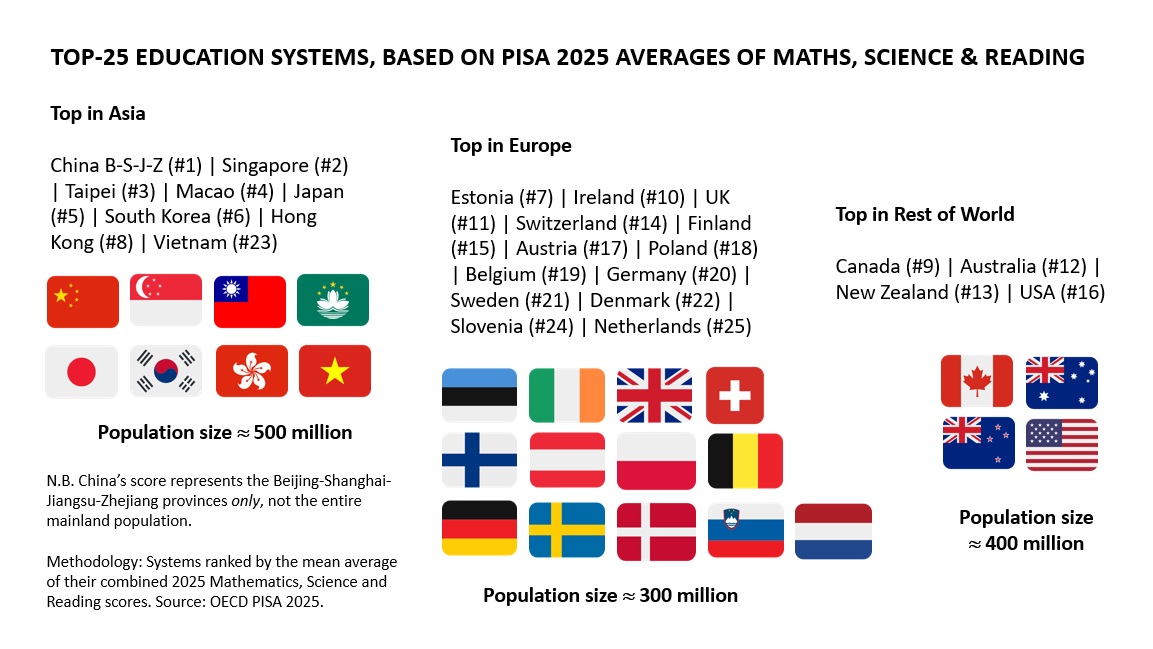
The OECD released the PISA 2025 results this month, evaluating the mathematics, science and reading skills of 15-year-olds worldwide. The infographic below highlights some of the highest-performing education systems based on their overall combined averages across all three domains.
While these academic metrics are vital indicators, they are best viewed alongside broader measures of well-being, such as student happiness, safety, teamwork and social skills - not to mention the essential role of human imagination in a complete education.
Imagi-nation is the best nation on Earth!
Click on the image below to view the infographic 👇
Public Lecture️ at the Marie Curie - European Researchers' Night 🔬
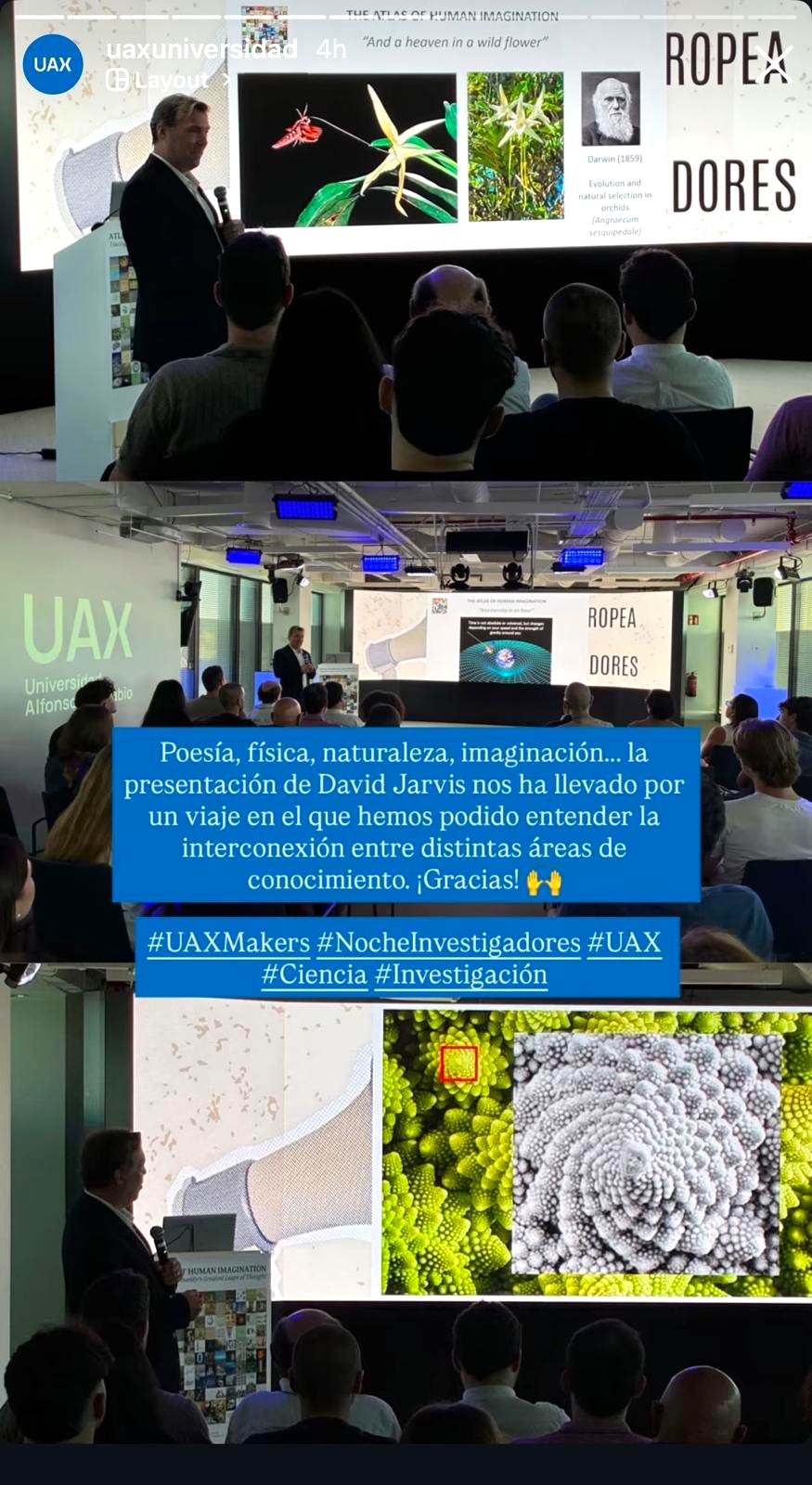
It was a great pleasure to give a talk at the Marie Curie - European Researchers' Night at UAX Arapiles on 25th September 2026. The 1-hour presentation covered a range of distinct topics, including atoms in a quartz crystal, Darwin's orchids, Sir Roger Penrose's theory of cosmology and the Beatles' song 'Tomorrow Never Knows'. Ultimately, we discovered that these seemingly separate worlds are all beautifully interconnected.
Measurement in a Quantified World & Experience in a Qualified World 🌶️
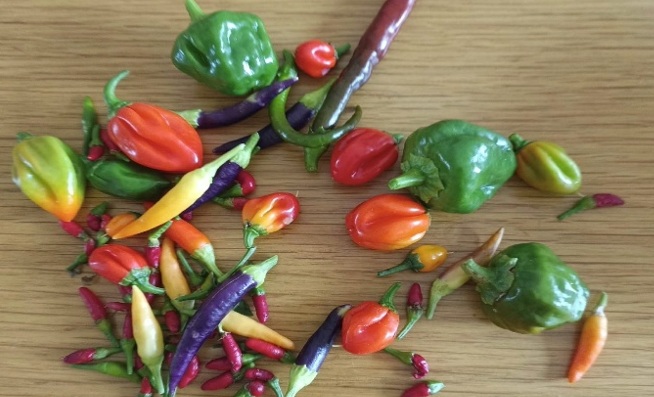
We increasingly find ourselves living in a world that can be measured. We count, track, rank, weigh, calculate and compare - almost everything.
But we should not confuse what can be counted with what counts.
Click on the image below to read the short document 👇
Imagine What They Could Have Invented...💡
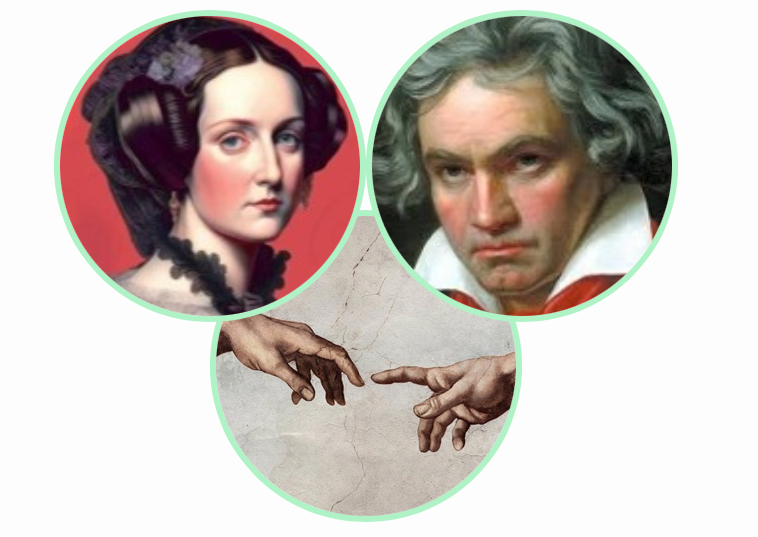
Have you ever wondered what might have been invented if great minds from different times, cultures and disciplines had worked together? The 'Interactive Invention Machine' brings that idea to life.
By randomly pairing pioneers from across the worlds of science, art, philosophy, technology and more, this new tool invites you to explore bold, unexpected collaborations – and imagine the breakthroughs they might have created. It’s a creative experiment where the artistic meets the scientific, the mechanical meets the musical, and the logical meets the wildly imaginative. A true melting pot of ideas and creativity.
Click on the image below to explore the 'Interactive Invention Machine' 👇
Classroom Creativity in Action💡
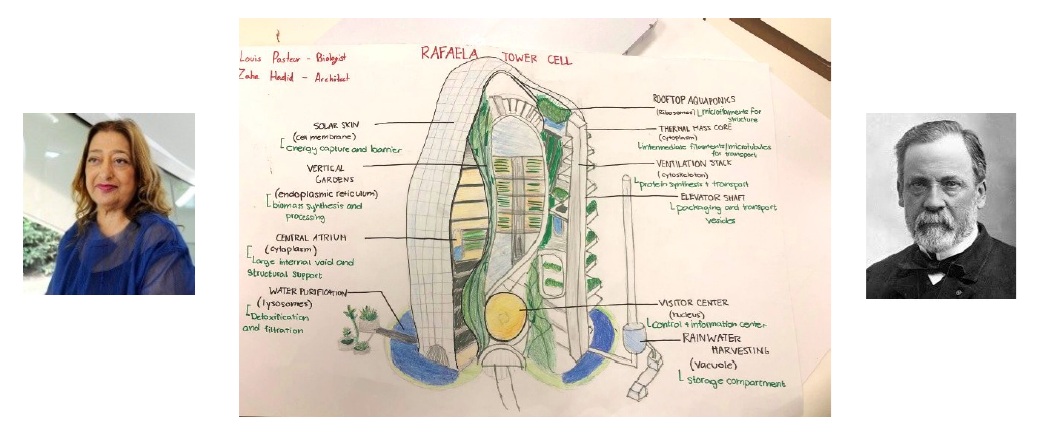
IB students at King's College School made use of the 'Interactive Invention Machine' (above) in their classrooms. See how the student groups used their own imagination, and brought to life new ideas that could have emerged from unexpected collaborations.
Click on the image below to see the results of the 'Interactive Invention Machine' 👇
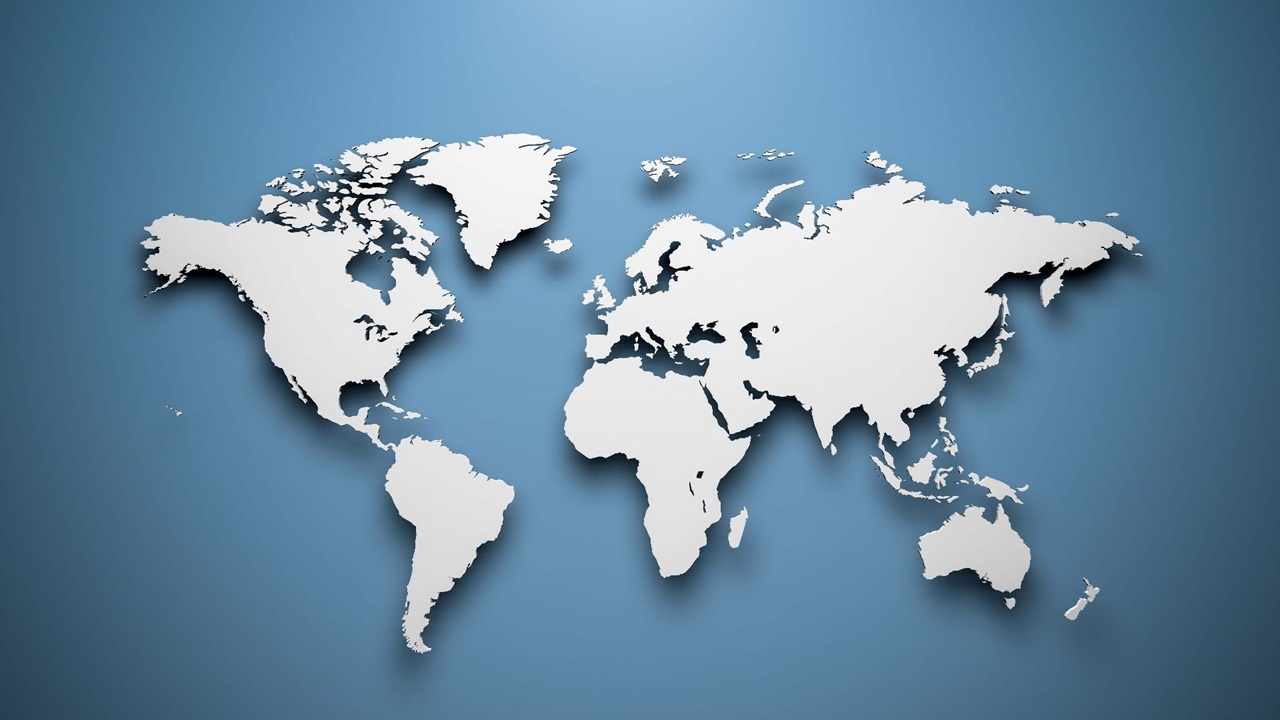
The Interactive Atlas of Pioneers 🗺️
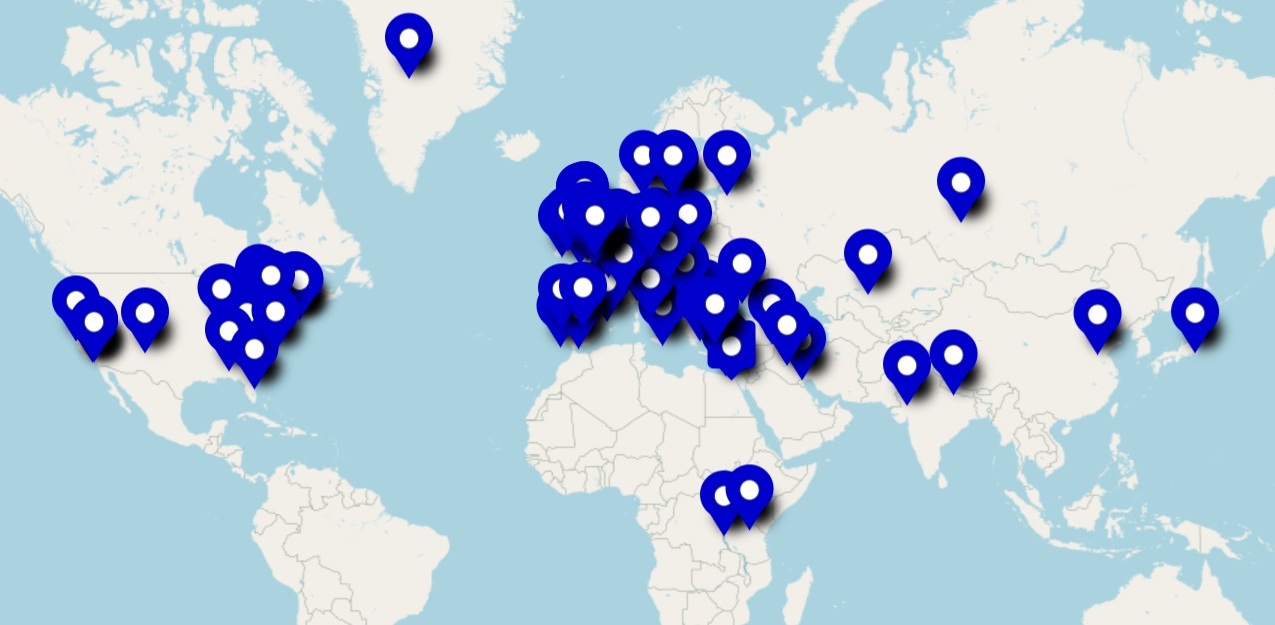
The story of the 121 pioneers isn’t tied to a single place. It stretches across continents, cities and quiet corners of the world where new ideas first took shape.
Zoom out to see the global pattern: a web of places connected by curiosity, experimentation and cultural exchange. Zoom in to discover the locations behind each point in the Atlas: studios, labs, workshops, gardens, galleries, sheds, clubs, universities and institutions where something truly important began.
Here you will find places like Saqqara in Egypt where Imhotep built the first step pyramids; the English town of Berkeley where Jenner carried out the first ever vaccinations; the Swiss patent office where Einstein conceived his greatest theories; the North Carolina beach where the Wright Brothers first took to the skies; the Baikonur Cosmodrome where Tsiolkovsky’s equation helped send humans into space; and the Cavern Club in Liverpool where the Beatles first played their music.
Click on the image below to explore the Interactive Atlas and follow the geography of human imagination 👇
Op-Ed in Ethic Magazine
As part of the Atlas of Human Imagination, I have written an op-ed in the prominent Spanish magazine, Ethic. The core message is simple: we must embed more imagination, corkscrew thinking and cross-disciplinary creativity into every stage of learning, from schools and universities to apprenticeships and lifelong education. Very grateful to the teams at Ethic and UAX for the collaboration.
Click on the image below to read the published op-ed 👇
The Solar Eclipse is Coming 🌒
On 12th August 2026, a total solar eclipse will cross the Iberian Peninsula from the shores of Galicia to the Balearic Islands - a moment in time where scientific accuracy and human awe coexist as one. This short document gives 12 examples of key pioneers, featured in the Atlas of Human Imagination, to mark this special moment.
Click on the image below to read the Eclipse document (now with live photos from Guadalajara, Spain) 👇
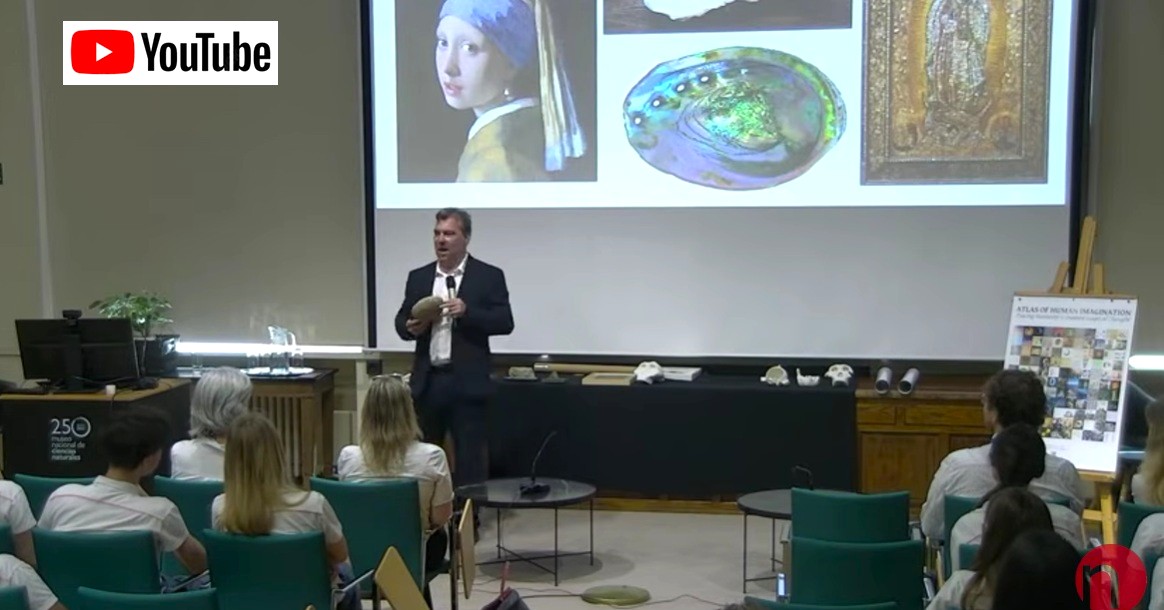
The 1½ hour talk by Prof. David Jarvis was recorded live in front of 100 school students, university undergraduates and distinguished guests from academia and public office.
Click on the image below to watch the video 👇
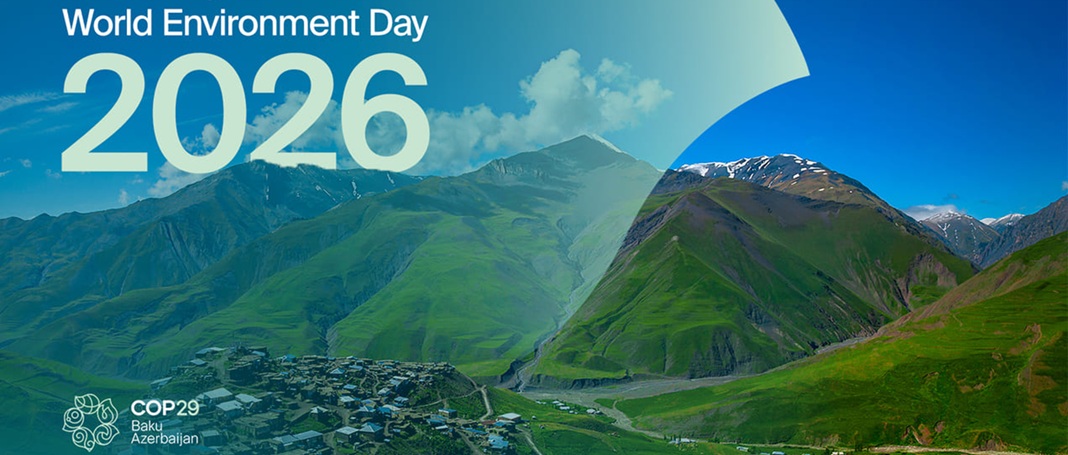
Public Lecture on World Environment Day 🌍
Timed with World Environment Day on Friday 5th June, this lecture by Prof. David Jarvis about the Atlas of Human Imagination will explore how the "history of ideas" can serve as a blueprint for the "future of ideas," specifically regarding our relationship with the natural world and climate action.
The lecture will take place in the famous Salón de Actos at Museo Nacional de Ciencias Naturales (MNCN) in Madrid, one of the oldest natural history museums in the world created in 1771. The museum is part of the Spanish Ministry of Science and managed by the Spanish National Research Council (CSIC).
The talk will be recorded in front of 100 school students, university undergraduates and distinguished guests from academia and public office, and it will also be streamed on YouTube.
Click on the image below for more details 👇
International Women's Day Sunday 8th March 2026 ✨
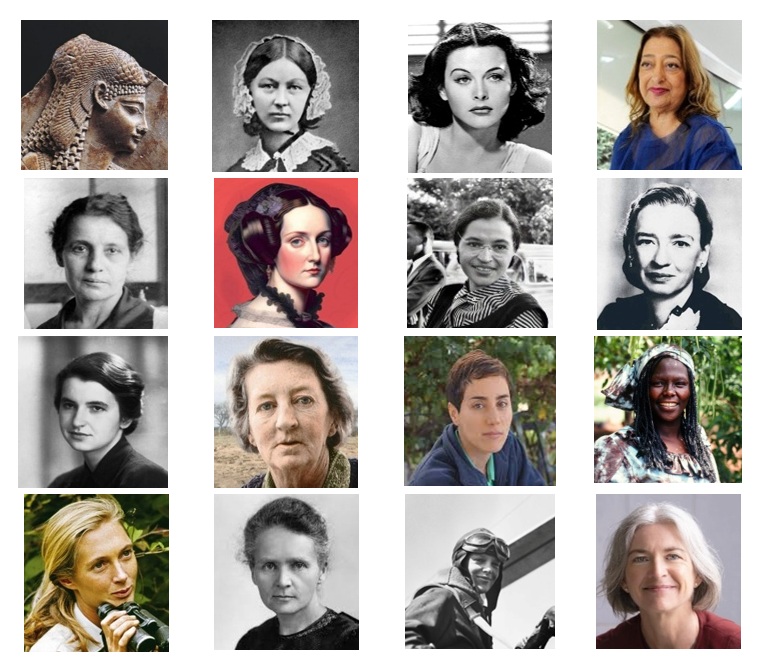
Let us celebrate International Women's Day with a big thank you to the imaginative women in history who expanded what humanity believed was possible. Through curiosity, vision and a lot of persistence, their ideas changed the world of art, science, technology, exploration and culture.
❤️
A curated selection of highly imaginative women including: (1st row) Cleopatra, Florence Nightingale, Hedy Lamarr, Zaha Hadid, (2nd row) Lise Meitner, Ada Lovelace, Rosa Parks, Grace Hopper, (3rd row) Rosalind Franklin, Mary Leakey, Maryam Mirzakhani, Wangarĩ Maathai, (4th row) Jane Goodall, Marie Curie, Amelia Earhart and Jennifer Doudna - to name but a few.
Constellation of Concepts
Using the large-format poster, get your students to create a map of ideas, or a "constellation of concepts" around a selected topic. Analyse, research and discuss how different concepts come together for a particular topic - seen from different perspectives.
The following document outlines how to make a "constellation of concepts", using the topic of lithium batteries as just one example.
Try it out for other topics like: evolution, cryptocurrency, colour, 3D-printing, electricity, search for extraterrestrial life, art movements, musical expression, ecology, Mars missions, philosophy, climate change, gene therapy, computing or AI - indeed, anything you can think of.
Click on the image below to read the document and access the lesson ideas 👇
English Literature: William Blake in the Age of AI
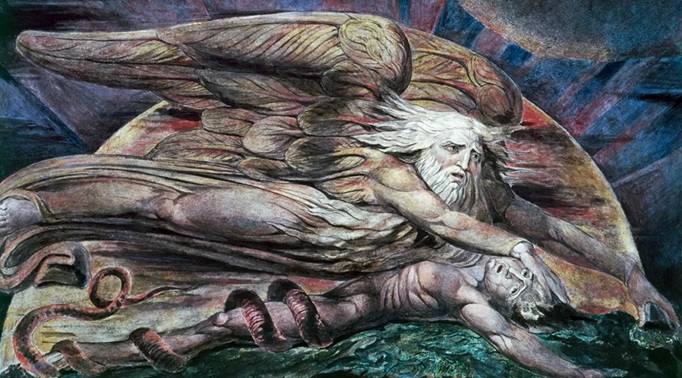
Written in 1794 during Britain's Industrial Revolution, William Blake’s poem "The Voice of the Ancient Bard" speaks with new urgency in the age of Artificial Intelligence (AI).
This short essay explores how Blake’s warning about illusion, false authority and the loss of trust resonates powerfully in a world of AI deepfakes and digital confusion.
Click on the image below to read the poem and analysis 👇
Thinking Imaginatively Like An Atlas Pioneer
Atlas Pioneers are thinkers who look beyond the obvious and aren’t afraid to explore difficult questions about the world.
This activity helps you step into that mindset and discover how your imagination and ideas can grow.
Click on the image below to read the document and access the lesson plan 👇
Art, Science & Nature Intertwined 🎨
Across centuries, artists and scientists have shared the same goal: to observe, to understand and to represent the beauty of the natural world.
The Atlas of Human Imagination places cross-disciplinarity at its heart, revealing our intellectual heritage as an interconnected narrative rather than a collection of isolated silos.
It is hoped that readers will take inspiration from the many fascinating links between the worlds of art and science, and continue to explore the endless dialogue between creativity and discovery.
Click on the image below to read the STEAM document and access the lesson plans 👇
The Many Facets of Colour 🎨
Colour has many different facets. It is a feature of materials chemistry and optical physics. It also appears in nature, where it is encoded and inherited in the form of DNA. Colour also depends somewhat on our cognitive perception of it; and when turned into art form, it can be used to express powerful human emotions.
This document explores these different perspectives and shows how many of the pioneers in the Atlas contributed to the field. Colour is where light becomes experience!
Click on the image below to read the Colour document and access the lesson plans 👇
Mathematics ♾️
The Atlas of Human Imagination presents mathematics as a creative, cumulative human achievement, connecting history, concepts and people, in a way that supports both intellectual curiosity and curriculum learning.
This document shows that mathematics is relevant to everything around us, it is a human story, it is alive, future-facing and innately beautiful.
Click on the image below to read the Mathematics document and access the lesson plans 👇
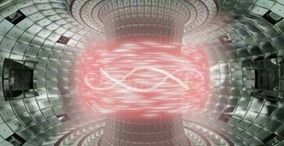
Nuclear Fusion - The Concepts Explained ☀️
The stars shine because of nuclear fusion — the process in which light atomic nuclei combine and release enormous amounts of energy. Bringing this stellar power down to Earth is one of the most ambitious goals in modern science.
Yet fusion only became imaginable after centuries of discoveries by philosophers, astronomers, physicists and mathematicians who uncovered the laws of atoms, energy, electromagnetism and quantum mechanics. Their ideas form the intellectual foundation of the fusion reactors that scientists are building today.
Harnessing fusion is proof that human imagination can reach the stars — and bring their power down to Earth as truly limitless, clean energy.
Click on the image below to read the Nuclear Fusion document and access the lesson plans 👇
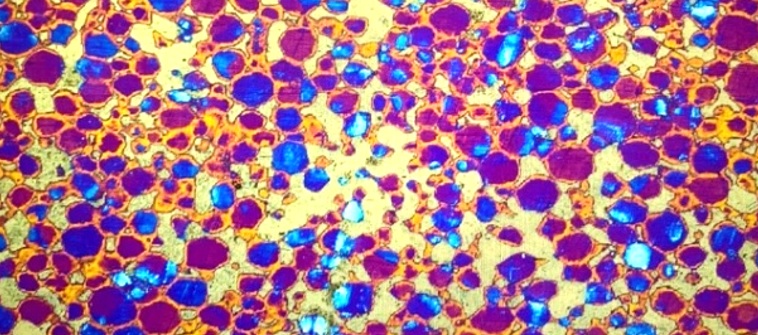
Metals, Alloys & Metallurgy ⛏️
Metals are more than matter - they are also the building blocks of human imagination. Through the breakthroughs of metallurgical pioneers, raw ores became tools, bridges, aircraft, rockets and engines of progress, fuelling our human journey from survival to invention. Their legacy is embedded in every alloy that carries humanity forward.
With links to the Atlas of Human Imagination, this document highlights the key pioneers who turned elemental possibilities into human achievement.
Click on the image below to read the Metals document and access the lesson plans 👇
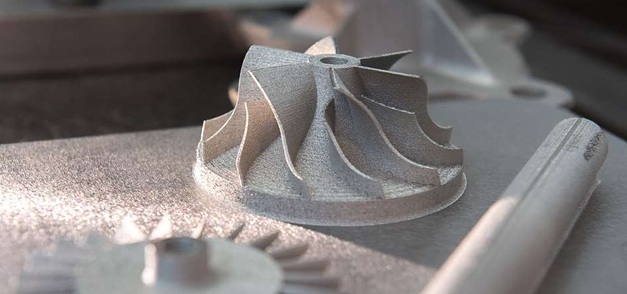
3D Printing - The Conceptual Blueprint 💥
Most explanations of 3D printing describe how the machines work. This project asks a deeper question: what ideas had to exist, in sequence, for such a machine to be conceivable at all? By tracing 2,000 years of interconnected thought, it reveals 3D printing as the layered outcome of geometry, space, motion, matter, energy, computation and intelligence.
The document below offers students and teachers a conceptual blueprint for understanding 3D printing - not as a sudden invention, but as a technology that became possible only when centuries of ideas finally aligned.
Click on the image below to read the 3D Printing document and access the lesson plans 👇
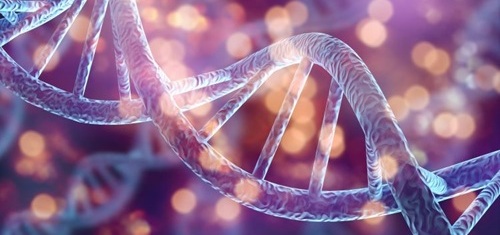
Biology - Genetics & Evolution 🧬
Together, the pioneers from the Atlas of Human Imagination show that our understanding of inheritance, genetics and evolution did not emerge from biology alone, but from the convergence of many diverse forms of imagination.
Covering many centuries of intellectual lineage, this document highlights the key concepts and great thinkers who helped unravel the mysteries of heredity, genetics, DNA and the evolution of life.
Click on the image below to read the Biology document and access the lesson plans 👇
Ecology, Environment & Its Conservation 🌱
Drawing from philosophy, biology, climate science, space exploration and the arts, this map traces the evolution of ecological thought from the early ethical foundations of Buddha and Hippocrates, to the planetary perspectives of James Lovelock and Carl Sagan.
The printable map below reveals ecology not as a narrow discipline, but as a grand, multi-disciplinary story about how humanity has come to understand its place within a living Earth, with its finite resources. By weaving together ethics, science, exploration and culture, it highlights how ecological and environmental awareness emerged over time — and why it is now central to our collective future.
Click on the image below to read the Ecology document 👇
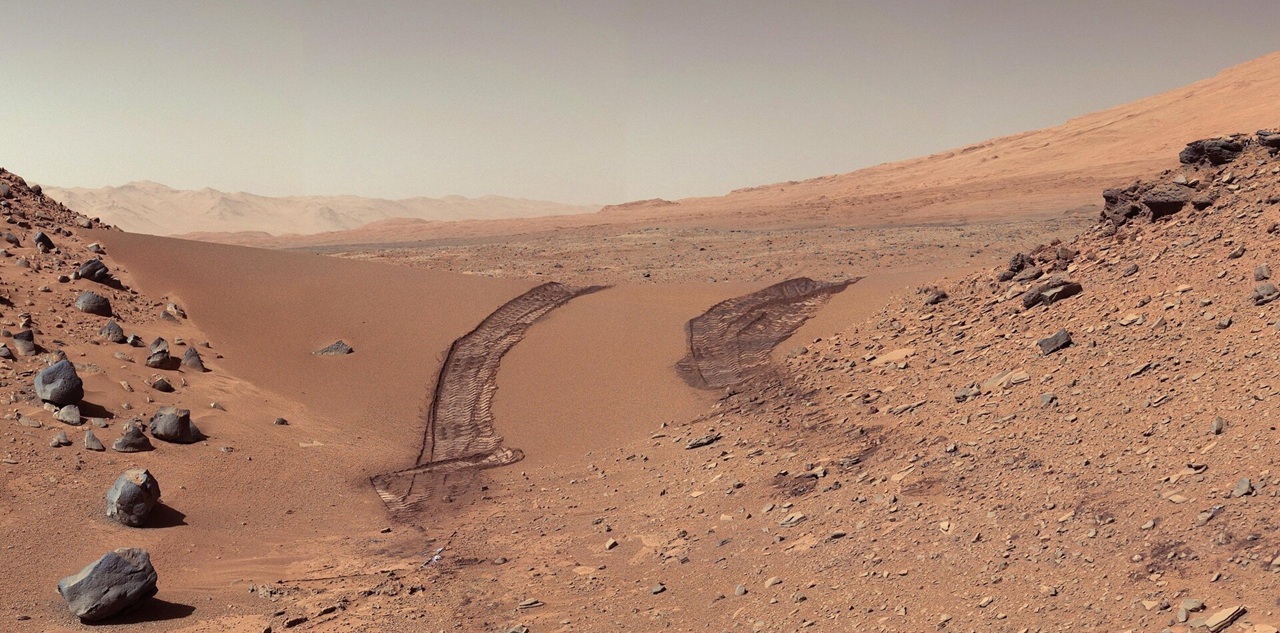
The search for life on Mars has long been one of the most compelling questions in planetary science, driving missions and research aimed at understanding the Red Planet’s potential to harbour life.
Pioneering scientists, engineers and thinkers featured in the Atlas have laid the groundwork for this quest, by developing the tools, techniques and insights that continue to guide exploration of Martian environments.
Their contributions have been instrumental in shaping our strategies for detecting signs of past or present life on Mars, as exemplified in the upcoming ESA ExoMars mission in 2028.
Click on the image below for more information about the ExoMars mission 👇
Geography Expedition 🥾
Geography is a story of human curiosity and discovery, shaped by centuries of visionaries from the Atlas of Human Imagination.
This document gives some examples of the historical discoveries and concepts on display in the
poster and how they are relevant to our understanding of physical geography today, as well as our future survival as a planet. Please
join the expedition!
Click on the image below to read the Geography document and access the lesson plans 👇
Many of the pioneers in the Atlas of Human Imagination played a crucial role in the conceptual development of what we now call "large, wide-body airliners", like the Airbus A380.
Below we do a deep-dive into the world of aviation, showing who and what the historical milestones were - spanning a thousand years.
Click on the image below for more information about airliners 👇
How Did Modern Computing Emerge?
Many of the visionaries profiled in the Atlas of Human Imagination were instrumental in the development of computing.
The following report does a deep-dive into the world of computers, showing who and what the pivotal moments were - spanning almost 2000 years.
Their combined genius reminds us that modern computing isn’t just “tech”; it’s a tapestry of human creativity, imagination and collaboration.
Click on the image below for more Computing information and lesson plans 👇
The Preservation of Knowledge 📖
The history of science is not only a story of discovery but also of preservation. The imaginative breakthroughs of great thinkers such as Archimedes, Johannes Kepler, Isaac Newton, Charles Darwin and Marie Curie reached future generations because their ideas were carefully written, printed and safeguarded.
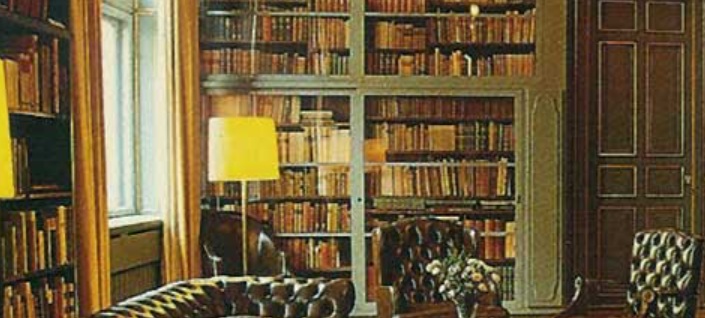
The Sjögren Library at the Royal Swedish Academy of Engineering Sciences (IVA) in Stockholm, Sweden, stands as a remarkable example of this responsibility. Built around the collection of the Swedish mineralogist, Hjalmar Sjögren, it preserves rare first-editions and scientific books that document the evolution of science from Ancient Greece to medieval times through to the nineteenth century.
In this sense, the careful preservation of knowledge becomes almost as important as the discoveries themselves: without institutions like the Sjögren Library, the intellectual foundations of science would gradually fade away; while with them, the legacy of centuries of inquiry remains secure.
Click on the image below to see some of the incredible books preserved in the Sjögren Library, Stockholm 👇
Concepts in the Real World 🌍
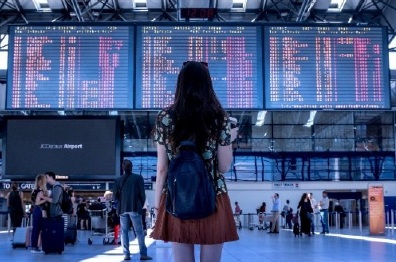
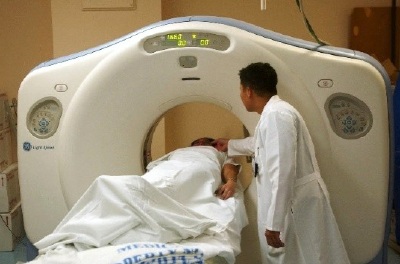
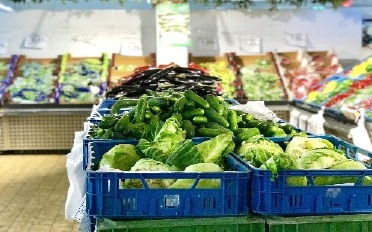
To demonstrate the huge influence of the visionary people in the Atlas of Human Imagination (a curated selection), we have imagined and analysed three everyday scenarios - things that we typically take for granted:
In all cases, the impact that their imaginative concepts and research has had on our lives is staggering in its depth and diversity. The sum of their combined work is certainly much larger than the individual parts.
Click on the images below for more information 👇
Theory of Knowledge (ToK) 🦉
Across many education systems, there is a growing emphasis on understanding:
How knowledge comes about,
How to evaluate whether a theory is correct,
How different areas of knowledge connect, and
How collective knowledge shapes our lives as citizens.
The Atlas of Human Imagination provides important answers to these questions, emphasising our shared collective knowledge, cross-disciplinarity, connections with everyday life, the importance of daring to use our imagination and overcoming the fear of failure.
The document below can be used by teachers to
• initiate ToK discussions
• understand that knowledge arises in different ways
• inspire interdisciplinary projects
• encourage critical and creative thinking
• connect classroom content to the real world.
Click on the image below for more ToK information and lesson plans 👇
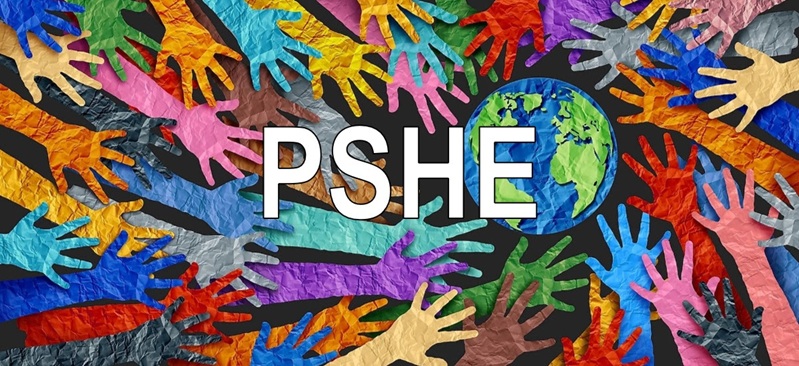
Physical, Social, Health and Economic Education (PSHE) 🩵
The visionaries profiled in the Atlas of Human Imagination were extraordinarily brilliant, yet they
were also profoundly human - subject to illness, loss, isolation, prejudice, financial instability
and personal struggles.
Their lives show us that adversity is not necessarily a barrier but can be a catalyst: through
resilience, determination and unwavering passion, they transformed their hardship into focus, creativity and discovery.
By studying their journeys, we can find
inspiration, empathy and hope — a reminder that, even in the face of life’s constant challenges,
remarkable accomplishments are within reach.
Click on the image below for more PSHE information and lesson plans 👇
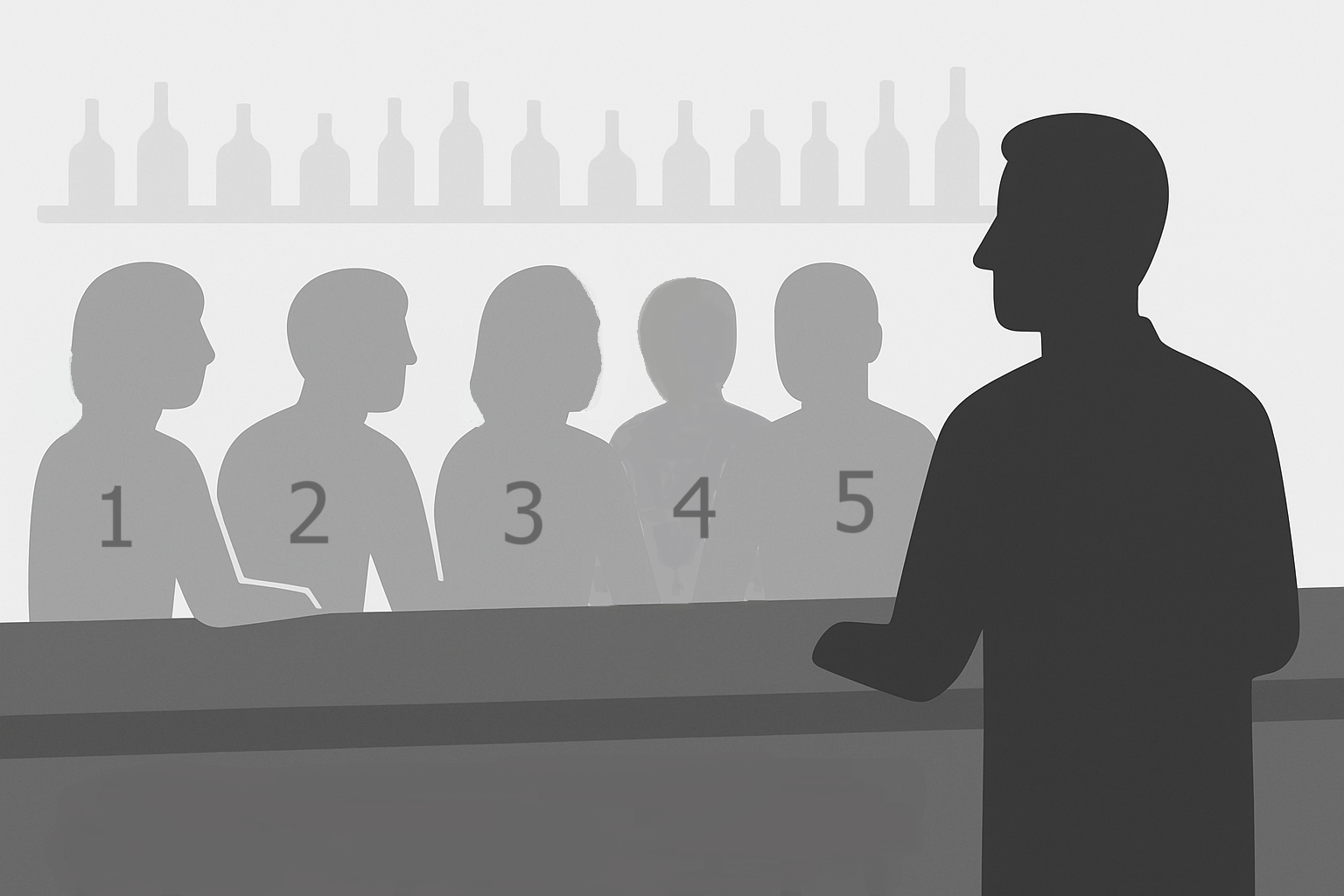
Random Historical Dinner Party 🎲
Cross-disciplinary collaboration is very important in the modern era, whether in universities, research labs, companies or government.
The following is a fun activity to encourage school students to develop teamwork and creative thinking. Imagine if you could bring together 4 of the visionary people from the Atlas for an evening of dinner and interesting discussion.
The link below allows school groups to randomly generate 4 thinkers, encouraging students to analyse personalities, concepts, skills, values and problem-solving capacity, across various disciplines.
Click on the image below to access the "Random Historical Dinner Party" 👇
Puzzle 🕵️️
Problem-solving is another key skill that requires a combination of step-by-step logic and some imaginative deduction in order to 'crack the code'.
The puzzle devised here is an example of exactly that: it cannot be solved by guessing. It can only be solved by patient analysis, concentration, attention to detail, perseverance and good organisation of data.
The puzzle below is a fun, accessible way to build analytical reasoning, focus and problem-solving - all foundational for success in STEM and beyond.
Click on the image below to access the puzzle 👇
Kahoot Quizzes 🏆
Test your knowledge of concepts, discoveries and inventions highlighted in the Atlas of Human Imagination.
Each Kahoot quiz below has 25 multiple-choice questions.
Click on the images below to play the Kahoot quizzes 👇
Please note: this content is internationally-adaptable and supports not only International Baccalaureate (IB), but also AP Capstone in the US; Philosophie in France; Bachillerato in Spain; Fächerübergreifendes Lernen in Abitur in Germany; Liceo Classico, Liceo Scientifico and PCTO in Italy; EPQ, PSHE and General Studies A-level in the UK; Liberal Studies & Enrichment in Hong Kong; Core Competencies in China; Knowledge & Inquiry (KI) in Singapore; Global Citizenship in Japan; Atal Tinkering Labs in India etc.